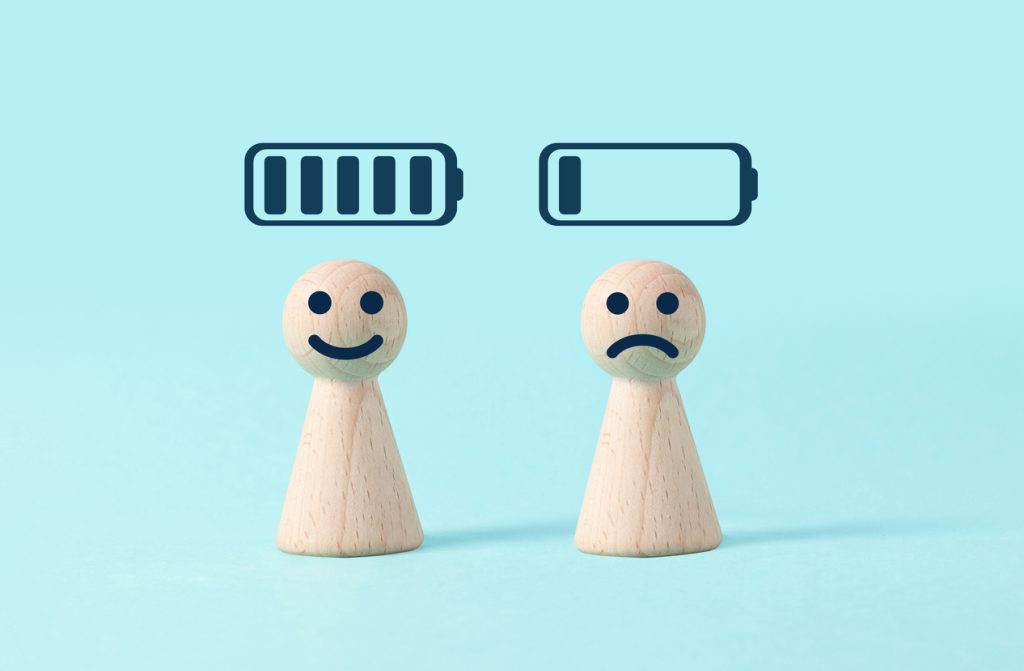
A work absence, also known as sick leave, is when an employee is unable to work due to illness or injury.
Sick leaves are situations in which an employee or worker stops going to work because of a disability which makes it unable to carry out its work normally.
In most cases, they are associated with a illness, whether physical or psychological. However, this type of leave can also be requested in cases of accident or during a period of observation for occupational diseases.
That is to say, whenever there is a cause that prevents the worker from performing their duties normally and with full health and safety guarantees for them.
Also, it should be borne in mind that sick leave are periods in which workers continue to receive their salaries, whether in full or in part (this will depend on the type of leave and its duration). Regardless of whether, due to the leave in question, you are not attending your workplace.
Application requirements
It is important to remember that these benefits cannot be claimed in any situation. In this regard, any worker who wishes to claim them must meet at least the following requirements.
- Be affiliated to the Social Security.
- Have completed a minimum number of days contributed, and will depend on the type of leave requested. For example, in the case of a common illness, you will need to have contributed at least 180 days in the last 5 years prior to the leave request.
- However, in the event of accident or occupational disease, it will not be necessary to meet the minimum number of days credited.
What types of leave can there be
The types of leave are usually categorised according to the number of calendar days the leave in question lasts. Thus, they can be divided as follows.
- Very short sick leavewhen the duration is less than 5 calendar days.
- Short sick leavethose which last between 5 and 30 calendar days.
- Average sick leavethose that last between 31 and 60 calendar days.
- Long sick leavethose that last longer than 60 calendar days.
In addition to the duration of sick leave, it may be of one of the following types according to its nature.
- Sick leave due to common illness.
- Sick leave for occupational disease.
- Sick leave by accident at work.
- Sick leave for non-occupational accidents.
What is the maximum period of time you can be on sick leave?
the longest time that sick leave can be extended is 18 months. In this regard, the most common thing is that the casualties should be extended as needed and the worker's situation.
For example, you can request a leave of absence for 6 months. After that time, this can be extended for another 6 months, and then another 6 more. This continues until a total of 18 months of leave has been accumulated.
The importance of employee care
One of the aspects that companies have to take into account is that their employees are an integral part of themselves. Because of this, some of the keys to getting employees to be satisfied and motivated in their jobs (which has an impact on their physical and mental health) is that the company itself provides them with social benefits.
Some of these most common social benefits may be Ticket Restaurant or Nursery Ticket, among others.
Thanks to social benefits, employees' working conditions are improved without companies having to make significant financial outlays. For this reason, company benefits are a solution that is perfectly suited to both large and small businesses.