What is time tracking
Time control is the documentation of employee working periods. In other words, it consists of monitoring the time when workers enter and leave their workplace, which makes it possible to know exactly how much time is spent during the working day.
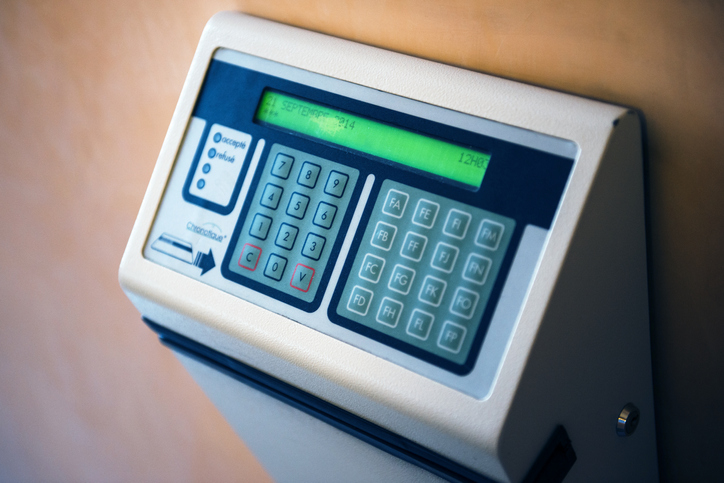
This timetable control can be carried out in different ways depending on the type of work. Generally, especially in the case of a job located in a specific place (e.g. an office, an industrial site, a shopping centre, etc.), time tracking is carried out using a hardware device where the employee in question is identified both at the time of entry and exit, making it possible to know the exact time they have spent at their workstation throughout the day.
On the other hand, there are also other time tracking devices that are designed for remote control. In these cases, instead of having hardware, it is most common for the employee to have some kind of software downloaded to your computer And when they are working, the employee connects and records the time spent on the job. This option is applicable to most jobs carried out on a computer, and especially to those jobs that are carried out remotely on an occasional basis or by teleworkers on a continuous basis.
Importance of time control
The importance of timekeeping lies in the fact that it allows for know exactly how much time is spent on the job And, consequently, adjust remuneration accordingly to that time. This benefits both companies and workers, as the result is that remuneration is adjusted to be fairer and in line with the actual time worked.
In this way, workers are assured that the overtime that are carried out will be accounted for, so they will be paid in the next payroll. In the same way, companies ensure that, if a worker does not carry out the number of hours that they are assigned at least in their working day, The Commission may take appropriate action if it deems it necessary.
Law on time control
Currently, the law requires companies to keep a record of the number of hours their employees work. Under the law, companies must Keep this record for at least four years and, furthermore, it will need to be available to both employees who request it and trade unions. It should be noted that time tracking is mandatory in Spain since May 2019, and that failure to comply can incur financial penalties ranging from €600 in the cheapest cases, up to €6,250 in the most serious cases.
Improving employee conditions: Flexible Remuneration
This and other measures related to employee timekeeping are intended to improve the remuneration conditions of workers. On the other hand, it is worth mentioning that there are various ways to improve workers' remuneration without directly increasing salaries, as is the case with Flexible remuneration.
Flexible Remuneration is a system that allows converting part of workers' wages into payment in kind, which they can spend on various daily expenses (Ticket Restaurant, Transport Ticket, Nursery Ticket, etc.). These are expenses that employees have to meet on a regular basis, so they are expenses that will be financed from their net salary. However, thanks to Flexible Remuneration, the part of their salary that is converted into tickets is exempt from taxation, The same gross salary, however, is not available for the same number of employees, the purchasing power of the employee is increased by avoiding loss of purchasing power in the form of withholding taxes.