
Do you know that how to manage toxic people at work? A toxic person usually drains the energy of the people around them. Living with such a person at work is a problem, as they provoke various conflicts.
When you encounter toxic people in the workplace, your work becomes difficult and can even change the way you are. In the following lines we help you to discover this type of individual and we give you the keys to managing toxic people at work.
There are a number of behaviours that are out of the norm. These cloud the working environment. They make it increasingly unbreathable. An employee is toxic at work when:

When there is a toxic or negative person in a work team, productivity falls. The mood in the team is low. In addition, colleagues feel uncomfortable with their presence, as they are always questioned. When it is time to leave work, it is common for the partners of a toxic person to leave angry or tired.
After dealing with him, you feel sad or guilty for some reason. It is normal to feel vulnerable and insecure and to wonder whether you are good at your job or not. In the most extreme cases, you may even suffer from anxiety. When dealing with the customer, the employee is abrupt, impertinent and, in many cases, inappropriate.
It may be that there is a colleague who is good at what he or she does, but gets in the way of a good working environment. If their attitude is consistent, the best thing to do is to follow these steps:
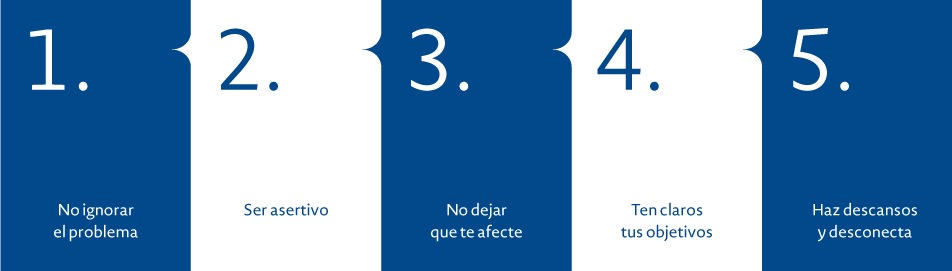
The more you ignore a toxic attitude, the more it will grow. If the colleague brings value to the company, you should try to deal with it. In such cases, tackling the problem quickly is essential. Bringing it to the attention of your colleagues, boss or manager is the first step. Setting boundaries is also important. If there is behaviour on their part about your work, let them know what your values and priorities are. Communication is key.
We need to make the other person see how we feel about the things they do. Let them see that their attitude has negative consequences and that these affect their colleagues. If the colleague sees that his or her behaviour hurts or hinders the work of others, he or she may take another position.
You must believe in yourself. As noted above, toxic colleagues tend to undervalue their colleagues. Be in control of your emotions. Keep your self-esteem strong. To do this, you need to be positive.
The common good and your work goals are most important. Helping your colleagues and being committed to your work will make you more focused.
Take a break from work without that toxic person. Sharing a coffee with other colleagues or getting some fresh air are good plans. When it's time to leave work, remember that physical exercise is beneficial. Connecting with other people outside of work also helps to disconnect.
If the partner's negative attitude continues, remember that your principles and values are non-negotiable. Keeping calm and not letting your attitude influence you is the best advice..
The first thing to realise is that even good people can fall into bad habits. They mean well, but if, when they break trust or act negatively, they get what they want, then they repeat the behaviour. Over time, someone who should be a good worker becomes a toxic person.
As a leader, it is useful to know when to intervene and how to manage toxic people. Some recommendations you can implement today if you find yourself in this situation are:
Solutions like Ticket Restaurant or Ticket Daycare help you achieve your goals and reduce workplace conflict. Why focus on finding ways to manage toxic people at work when you can find ways to keep them out?
Pay attention to the positive people in your team who want to improve, support them and show them that their values and those of the company are aligned. If you want good advice, go for flexibility.