

Following the arrival of the Industrial Revolution at the end of the 18th century, women entered the labour market under deplorable conditions, taking on roles considered to be feminine, such as millinery or button production. However, it wasn't until the 8 March 1910, When she was able to raise her voice at the International Conference of Socialist Women to improve their conditions. From then on, women in the labour market have managed to win rights that previously belonged to men. Would you like to know them?

Although this may seem like science fiction, in the 20th century when a woman married her husband, he had to authorise many of the decisions she made through a marital licence. For example, the man decided whether to authorise the woman to work or not, depending on the trade.
Wives were not able to choose their job without limitations until 2 May 1975 when it was permitted Free entry of women into the labour market in Spain.

There hasn't always been maternity or paternity leave either!
Regarding maternity leave, it is known that as early as 1900 women who gave birth received three weeks' leave from work. However, paternity leave arrived in 1980.. In concrete terms, the father had two days off, which, as you can imagine, did not represent a significant improvement in conditions.
In fact, in 1989, there were still only four days of paternity leave, whereas mothers already received 16 weeks. This, on the one hand, allowed women improve your work-life balance, but on the other hand, it meant discrimination against women in the job market.
Fortunately, paternity and maternity leave is currently 16 weeks, which represents an unprecedented achievement in the country, leading to equal opportunities for women when applying for a job.

In 2007, with the arrival of the Organic Law of 22nd March, sexual harassment in the workplace was strictly prohibited, as was discrimination or harassment against women due to pregnancy or other reasons. Other laws, such as the Workers' Statute, also stipulate that harassment can be grounds for dismissal for any employee engaging in such practices.
Thanks to this, women in the labour market nowadays have more avenues to communicate if they are feeling harassed or have suffered abuse from a colleague, which has helped to ensure that women are truly heard in their immediate environment.
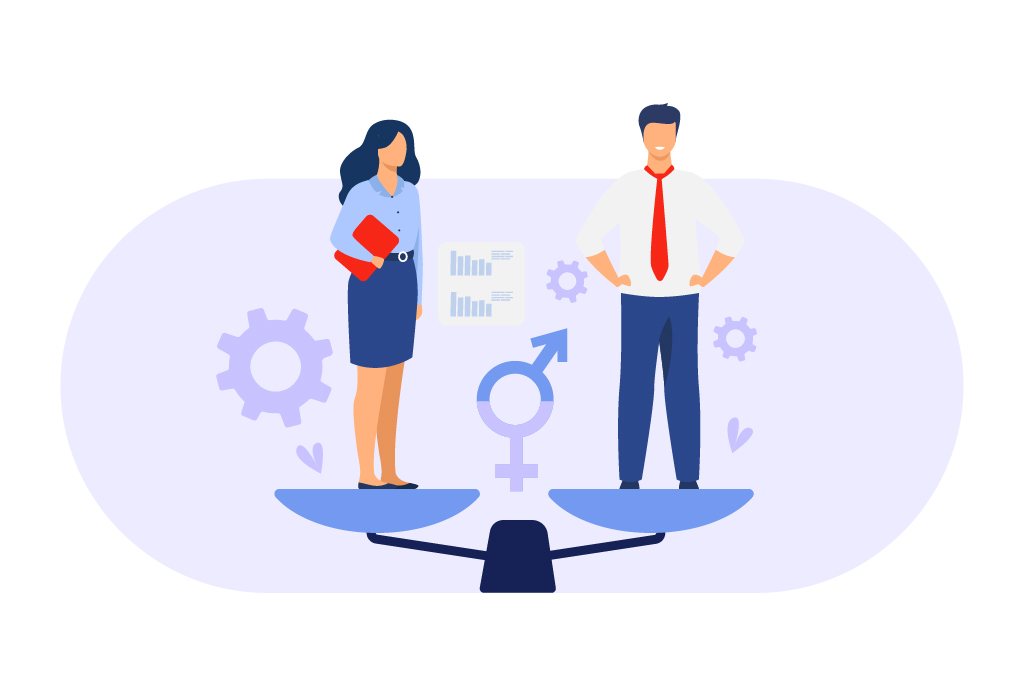
Since 2021, equality plans have become mandatory for companies with more than 100 employees, allowing for a diagnosis of the team's situation and an assessment of whether a series of requirements, such as equal pay between men and women, are actually being met. Following the diagnosis, the commission implements a series of measures and a monitoring system to determine if the objectives are being met.
Although the conquests of rights have been costly and did not appear overnight, they have certainly been fruitful and have shown that change is possible. For this very reason, Women's Day serves to remember all that has been done and all that still remains to be built. And you, what women's achievements in the labour market Is there anything here that you feel we haven't covered? Which are the most visible in your company? Which are still to be achieved? Tell us, and don't forget to share if you enjoyed this!