
22 April 2020

Company expenses: clear and simple examples

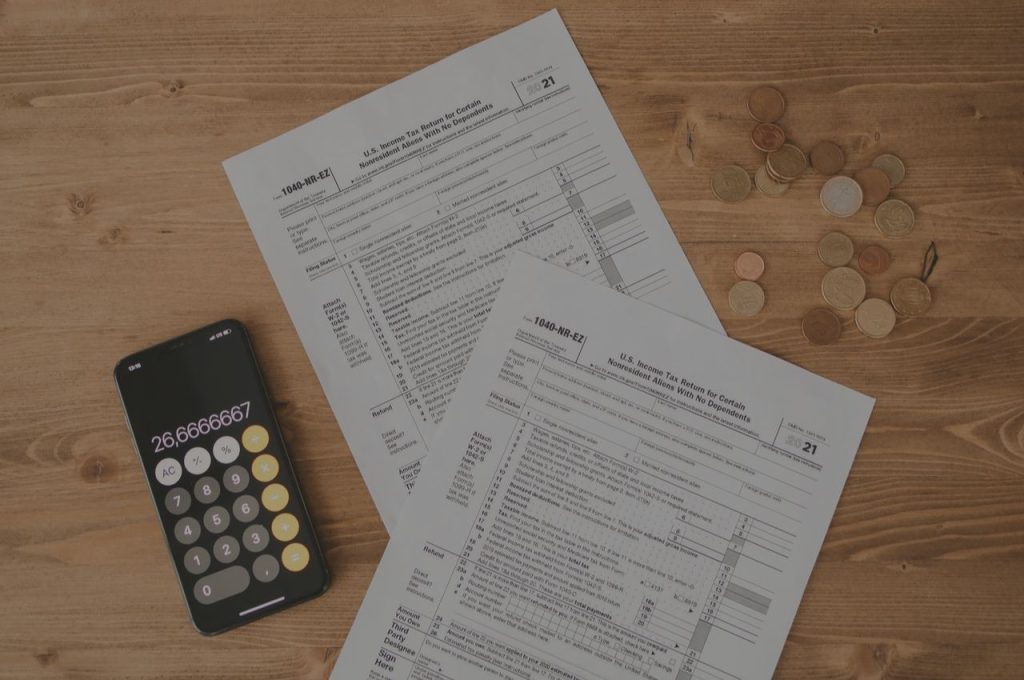
two tax forms on a wooden table, next to coins and a mobile phone showing a calculator.

For an SME, knowing the costs of a company with clear and simple examples is essential. The reason is simple: many small businesses do not have sufficient financial resources to create their own accounting department. Below we will try to clear up some of the most frequent doubts about this type of expenses thanks to simple and, above all, easy to understand examples. 

Table of contents

What are the expenses of a company

Economists divide the costs of a company into two main groups: fixed costs and variable costs. 

  • Fixed costsAs the name suggests, these are all those constant expenses or costs. That is, those that do not vary based on the level of activity or the number of customers of the company, the economic situation, or any other element. 
  • Variable costsThese are expenses that can change and fluctuate depending on the circumstances. They can increase or decrease, and they can do so both voluntarily and involuntarily as the case may be. Regarding the voluntary form, different savings systems can be implemented, such as systems of Flexible remuneration, use of Petrol Ticket, or any other action that is voluntarily implemented and allows for the reduction of these types of expenses. Regarding the involuntary form, these are all those that affect variable costs but do not depend on a decision controlled by the company, such as the cost of raw materials, an increase in the cost of fuel, etc. 

Knowing a company's expenses well, especially for a small company, is fundamental for improving productivity and competitiveness of the same. Below we present some examples common to most businesses. 

Company expenses: examples of fixed costs

The fixed costs or expenses of a company are those that have to be paid by the company. to assume periodically and independently of their workload or turnover. As a general rule, most economists consider it a golden rule that the fewer and smaller the fixed costs, the better. However, there are certain fixed costs that usually have to be incurred in most circumstances:

  • Rent or mortgageThis is a fixed expense associated with the space where the activity takes place. There may be cases where it is not necessary (for example, a remote activity or a company that already owns the premises). However, in most cases, it is one of the typical expenses of a company. 
  • Essential suppliesThis is the other quintessential fixed expense. Here, we include water and electricity, as well as heating, cooling and telephone and Internet costs, etc. 

Company expenses: examples of variable costs

The second group of company expenses are termed variable costs, and they encompass all expenses that are not always paid periodically, but rather their payment it will depend on the circumstances and the particular activity of each company

These company expenses depend enormously on the type of SME or small business in question. For example, in the case of a workshop, variable expenses will include items such as machinery maintenance and the purchase of tools. This item will be much higher than, for example, the expenses that another business, such as a food shop or a hairdresser's, might have. That is to say, that variable costs will be very different depending on the type of company or SME in particular the one in question. 

In any case, there are a number of variable expenses that all companies usually incur, regardless of the type of business they are in. The most common are as follows:

  • Advertising and external communicationsFor example, opening and energising the SME's social media, printing brochures, placing adverts in newspapers or on the radio, etc. Its main objective is to attract new customers, which will allow the company to remain active and, at the same time, expand its activities. 

Staff costsThese are among a company's most common expenses, and what's more, they also represent the main variable cost that most of them have to face. The workforce of a small or medium-sized enterprise (SME) constitutes an indirect expense for the company. These personnel costs are unavoidable, as a company's value depends to a great extent on the value of its human team.
benefits-network
Edenred Spain