

In summary, it can be said that stagflation is caused by a situation of slow economic growth, generally with high rates of unemployment, accompanied by an increase in the prices. This generalised price increase is commonly referred to as the Inflation; The peculiar thing about the phenomenon is its combination with economic stagnation.
Slow economic growth should result in increased unemployment but, in itself, should not lead to a rise in prices, quite the opposite. It is precisely for this reason that stagflation is paradoxical and, moreover, worrying. At a general level, an increase in the unemployment rate leads to a loss of purchasing power for consumers. If we add a progressive rise in prices to this, we get a situation where what consumers have loses value progressively.
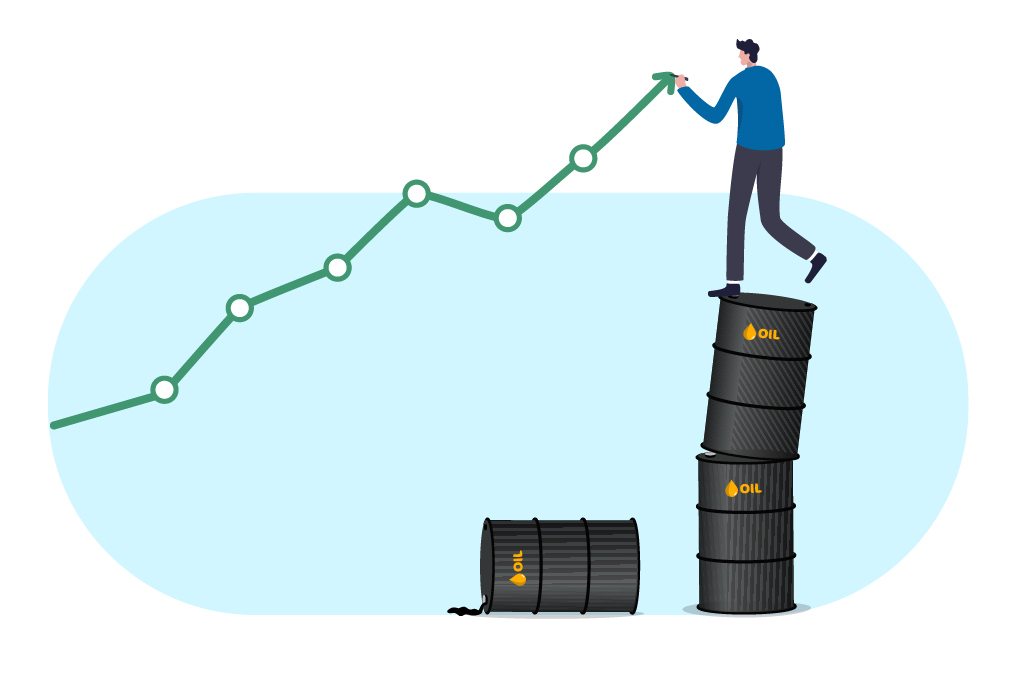
An example of this was the stagflation caused in the 1970s in the United States by a rise in oil prices and public spending on social and military matters. All of this led to employees demanding a wage increase. The wage increases for companies, in addition to the rise in product prices, resulted in growth in unemployment, which in turn led to a greater rise in prices and a decline in consumption.
Some consequences that may arise are redundancies, a fall in gross domestic product, and ever-increasing price rises. On the other hand, a distortion caused by speculators could occur.
In our LinkedIn poll launched a few weeks ago, we asked you if you thought a salary increase was one of the solutions to end stagflation. 40% of you answered yes.
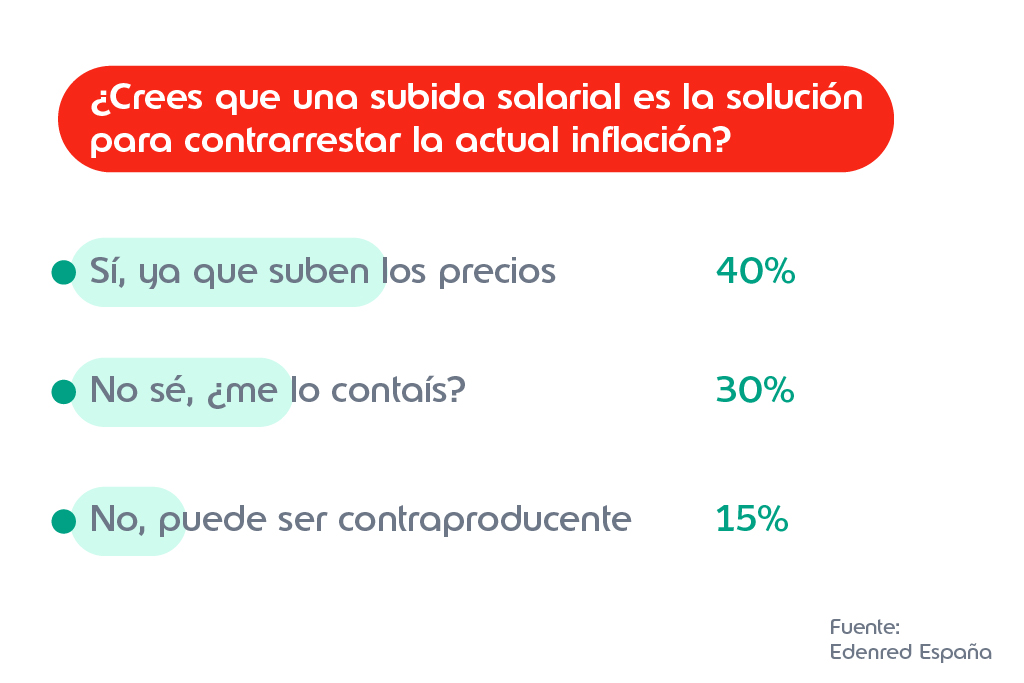
However, if prices rise excessively, your workers will demand that wages be improved to cope with the purchase of goods of all kinds. Nevertheless, if wages are brought to the same level as prices, your company could raise the prices of what it sells, which would lead us to an endless spiral that would not solve the problem.
As we can see, a stagflationary scenario forces an economic system to face major contradictions. Monetary policies to reactivate economic growth increase inflation. In turn, policies aimed at reducing inflation reduce economic activity and worsen the productive slowdown. When they occur at the same time, inflation and economic stagnation coexist unfavourably: tackling the former means boosting the latter.

It's key! It's an economic structural element on which a large part, if not all, of economic factors depend.
On the other hand, your company will have to invest in R&D to create jobs and research in different sectors to differentiate itself. In this way, it will raise its competitive capacity and you will manage to foster job creation and commitment to the environment.
In any case, the new economic reality and the current uncertainty present new challenges for the near future. Understanding stagflation is an essential first step that gives many professionals an overview to adapt their strategies to the urgency of the moment. And you, what solutions do you see as possible to curb stagflation? Do you think boosting productivity or investing in R&D are some of them? Stay tuned for our blog And tell us your opinion on social media.
