
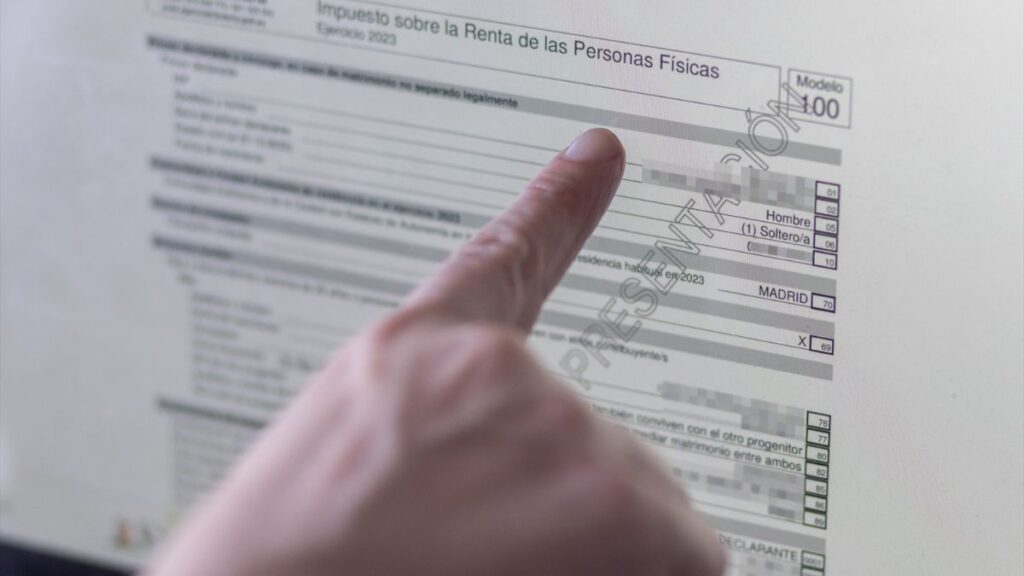
The tax campaign takes place every year between April and June. During this period, taxpayers submit their tax return online with all information about their income, deductible expenses, and other tax matters that occurred during the previous tax year.
In this context, flexible remuneration presents itself as a key tool to optimising wages and reduce the tax burden. This system allows a portion of the gross salary to be earmarked each month for certain tax-exempt benefits. Income Tax; This means that the goods and services offered by companies such as Ticket Restaurant, nursery vouchers, or transport are not considered part of the gross salary subject to tax.
Manuel Asla, Director of Marketing and Product at Edenred Spain, illustrates it thus: «if a person allocates €1,980 per year to your meals through Ticket Restaurant, i.e. in Flexible remuneration, this amount remains exempt from tax matters and is translated entirely into net income. Without this system, the employee would pay the withholding corresponding to their marginal tax bracket on those 1,980 euros, losing purchasing power.»

To better understand the impact, a worker with a salary around the Spanish average who dedicates part of their pay to products like Ticket Restaurant and Edenred Movilidad can save several hundred euros a year on income tax, . depending on their marginal bracket and the amounts chosen. The exact figure depends on each employee's profile and the plan's products; it can be estimated using the Edenred savings calculator.
It is important to highlight that participation in flexible remuneration schemes is volunteer and it cannot be imposed by the company. Furthermore, the amount allocated for these benefits cannot exceed 30% of gross salary of professionals.
One of the key aspects of flexible remuneration is that the company automatically applies the exemption on the payslip, so when accessing the draft tax return, these amounts already appear excluded in the employment income box. This means that:
«During tax season, the benefits of flexible remuneration become even more apparent. This tool not only allows for real tax savings for teams but also strengthens companies» value proposition, positioning them as workplaces more committed to the well-being of their teams.», Asla stresses.
If you want to delve deeper into how flexible remuneration appears on the draft tax return, which boxes to check, and what to do if exempt amounts have not been correctly deducted, consult our article on How flexible remuneration is taxed in the income tax return.