The years 2020 and 2021 have not been and are not being easy for anyone. Firstly, obviously, at a health level, and secondly, for both workers and companies, who have seen their routines, their way of working and their expectations changed from one day to the next. The confinement to our homes to which we have been forced to confine ourselves has conditioned many people to having to to develop their professional activity from home by relying on new technological trends. All these changes, to which we have been forced to adapt from one day to the next and without any prior training, have also resulted in the the need to change the old ways of working.
A a new way of understanding work which has meant that we have had to learn and manage new technological solutions so that businesses can continue to operate. A new professional model that is here to stay, The result has been that many companies have definitively adopted the hybrid working models, combining face-to-face and teleworking.
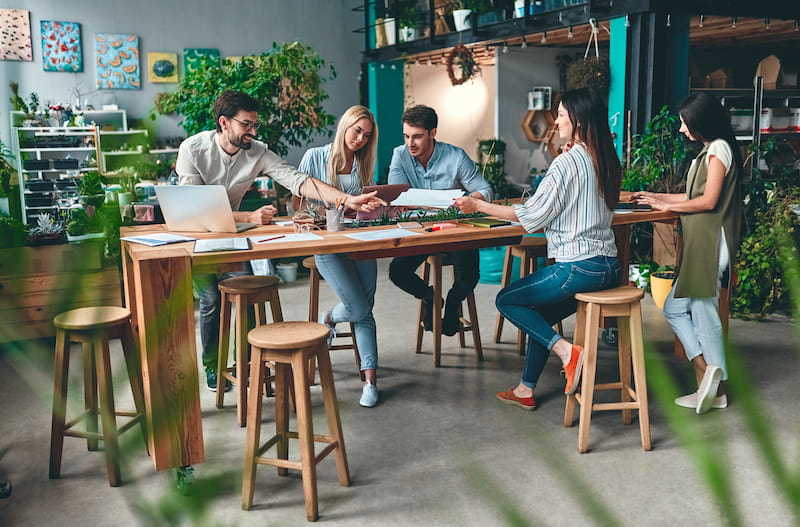
The new ways of working are a transformative approach to the system of work we have known up to now with the support of digitalisation. New technological tools have allowed us to experience a change in the concept of many work activities, as well as in the relationships between employees and companies. At the same time, the trend is towards flexible working hours and more horizontal organisations that break away from hierarchical structures.
The new ways of working have become the epicentre of a wide range of work activities. Let's take a look at the following what these new forms of work are and what features they offer.
Table of contents
Basic characteristics of new ways of working
Remote working, or teleworking, and flexible working are an unstoppable reality that is already part of our lives and which will continue to be improved and perfected over time, but it is here to stay. The new ways of working offer three basic characteristics:
Transferring your job abroad. In a wide range of activities, especially those relating to services, we've realised that travelling to an office is no longer necessary to carry them out. This way, they can be developed from anywhere, not just from the office or company location, but from any corner of the planet. All of this without the worker losing most of the social benefits, such as the restaurant tickets.
Flexible working hours. Nowadays, companies focus more on achieving objectives than on adhering to a schedule. This approach seeks greater efficiency and performance that grants the worker more free time.
Use of technology and digital devices. For the two previous characteristics to be realised, the use of technology is necessary, which has exponentially increased our capacity to perform a wide variety of tasks, from anywhere and at any time. In turn, access to the necessary documentation in real-time to carry out our work is possible.
Digitalisation in business, a great help for a new way of working
As mentioned above, theThe digitisation of businesses has been the essential factor in order to be able to generate new ways of working that are much more productive and flexible. Technology optimally integrates human capabilities with the functionality of new digital tools.
As a result of all this, The global business environment is changing and evolving at a breakneck pace, a unique opportunity for companies to improve their processes while saving costs. Furthermore, digital technologies are changing what workers do and how they do it, requiring them to adapt to new methods, organisational processes, and tools.
Nowadays, new forms of employment, such as remote work or freelancing, are gaining a lot of traction due to the fact that Technology facilitates the hiring of remote employees., at the same time as ensures that all the duties of the post are fulfilled.
What are the new ways of working?
Until 2019, before the pandemic, offices were considered a necessary element to improve productivity, foster corporate culture, and thereby attract and retain top talent. However, with the arrival of the pandemic, it has been shown that all of this was not so necessary and that the new ways of working that companies have sought to survive have been a complete success.
Some of the new, more important ways of working that have emerged during this process of change are:
Freelance. They are workers who use their skills, training, and experience to work with various clients and take on multiple tasks without committing to a single employer.
Smart working. These are work practices in which the use of technological and communication tools helps to improve human activity. In this approach, companies provide employees with the necessary technologies to help them be more productive and effective.
Crowdfunding. Utilises small amounts of capital from a large number of people to fund the creation of a new company. It relies on social media and funding websites to bring together investors who will help launch a startup.
Flexible working. It is one that includes any type of workplace flexibility that gives people control and freedom over when and where they work.
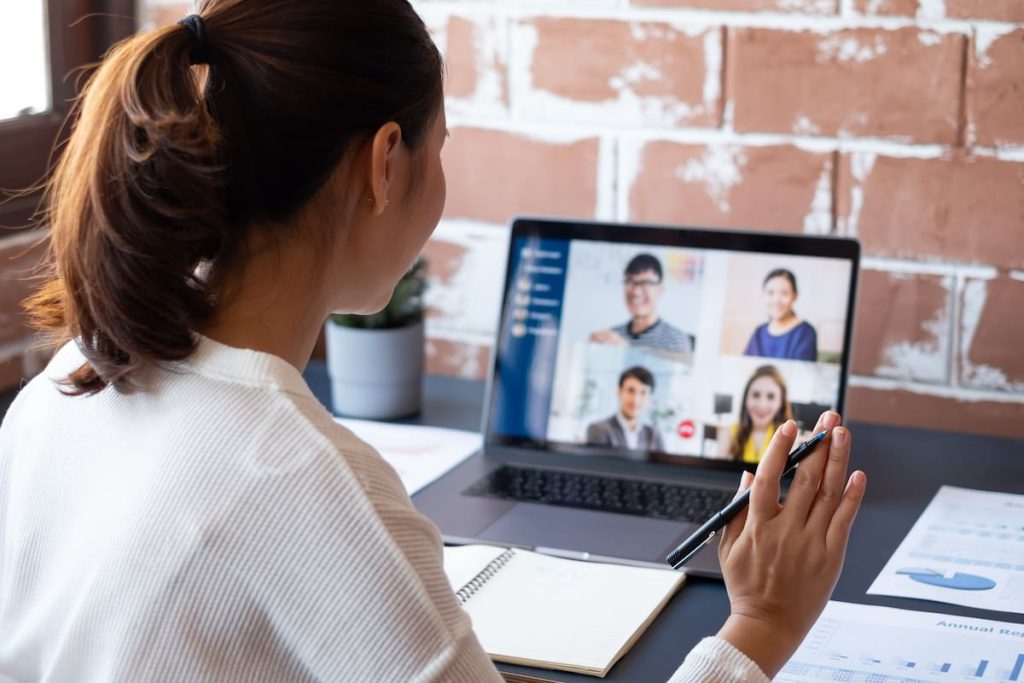
Teleworking. It is a flexible way of working that allows you to work from any location and that provides multiple advantages. Remote working can be undertaken regularly full-time, or on certain days of the week, or for special occasions.
Changes brought about by the new ways of working
But what are the most significant changes brought about by new ways of working in the business world? Let's look at some of the most important ones below:
Abandonment of the vertical hierarchy. Delegating responsibilities to team members is much more effective than simply assigning them tasks. A worker, feeling responsible for a specific activity, will be much more motivated, thus increasing their productivity.
Time flexibility. Workers who are allowed to balance their personal lives with their work are much more productive. For this reason, companies are increasingly tending towards a flexible work model in which people work more towards objectives than to adhere to a rigid schedule.
Reward for results. Currently, work is geared towards achieving specific results that will be rewarded by the company.
Increased confidence in employees. New working methods have highlighted the importance of fostering trust between workers and team members, so that there is communication that allows them to be more productive and creative.
As we have seen, the technological development and globalisation they have completely changed the way of working. Following the pandemic, which we still haven't emerged from, there has been a radical change in the workplace and we have been forced to generate new ways of working which, little by little, have been displacing the traditional ones. Discover all the possibilities Edenred offers businesses and employees in their new ways of working. Request information without obligation.
We are a multi-solution platform offering services such as Edenred Mobility, Childcare, Health Insurance, and more, always adapting to society's needs to improve quality of life and enhance the joy of living.